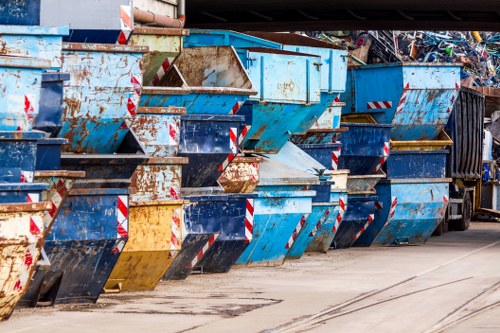
 Ickenham Skip Hire: Recycling and Sustainable Rubbish Area
Ickenham Skip Hire places eco-friendly waste disposal and a robust sustainable rubbish area at the centre of our operations. In the heart of the Hillingdon area, our approach to waste handling combines practical onsite sorting with partnerships across the boroughs to reduce landfill and increase reuse. We work with local recycling hubs and municipal schemes to ensure that each load of skips and collected waste is treated according to best environmental practice. Our aim is to turn what would be waste into resources.
 As part of our local service, Ickenham skip hire incorporates an auditable chain of custody for materials leaving the skip. We follow borough approaches to waste separation by prioritising separate streams for paper and card, mixed containers, glass, metal, WEEE (electricals), and inert construction rubble. We are committed to transparency and report our recycling rates to demonstrate progress toward our targets. This means clear labelling, on-site segregation where practical, and working with transfer stations that maximise recycling recovery rather than sending materials to landfill.
Recycling percentage target and measurable goals
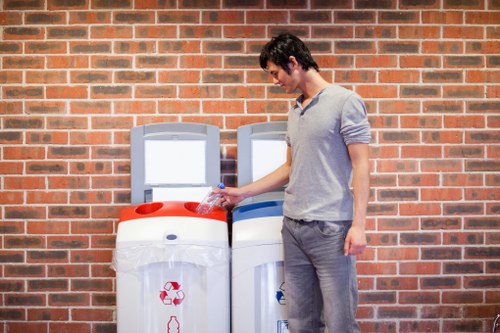 Ickenham Skip Hire has set a recycling percentage target of 75% for recoverable materials from our skip collections within the next five years. This target covers both commercial and domestic waste streams we handle and aims to exceed local averages by integrating reuse pathways for furniture, textiles, and functional building materials. Why 75%? It is ambitious yet achievable when combining proactive sorting, diversion to reuse partners, and working closely with borough-level recycling schemes that already encourage separate food and garden waste collections.
To reach this target we track tonnage recovered, diversion rates for different materials, and end-market destinations. We also publish an annual sustainability summary that highlights progress in the local circular economy. Transparency matters: each skip run is logged and matched to processing outcomes at transfer stations, enabling continuous improvement and accountability.
 Local transfer stations and circular connections
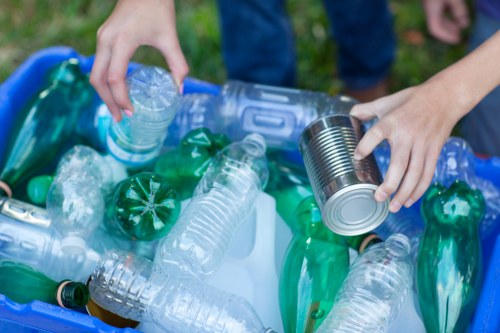
We route segregated loads to accredited local transfer stations and recycling centres, including the Hillingdon Household Waste Recycling Centre and other authorised facilities in neighbouring boroughs. These transfer stations specialise in reprocessing mixed construction waste, aggregates, soils, and recyclables. By choosing the nearest compliant transfer stations we reduce haul distances and ensure materials such as clean hardcore and recyclable metal find the appropriate recycling stream instead of being downcycled or landfilled.
Partnerships with charities and community reuse schemes form a core part of our sustainable rubbish area strategy. Instead of disposing of serviceable items, we divert usable furniture, fixtures and working appliances to community resale partners and non-profit reuse centres. Local charity partners and social enterprises receive collected items for refurbishment and resale, increasing the lifespan of goods and supporting local employment. Where possible, we work with:
- Local reuse hubs and furniture redistribution charities
- Small-scale refurbishment workshops and community project partners
- Registered electronic waste recyclers for WEEE and specialist processors for hazardous materials
Our operational measures extend to vehicle emissions and route efficiency. Ickenham Skip Hire has invested in a low-emission fleet comprising electric vans for short urban trips and Euro 6-compliant vehicles for longer loads. Route optimisation software reduces unnecessary mileage, decreasing emissions per tonne collected. The combined effect of electric vehicles and smarter logistics contributes to a reduced carbon footprint for the local waste collection sector.
On-site best practice includes offering clearly marked skips for mixed recycling, separate compostable/garden waste skips for landscaping projects, and dedicated containers for hazardous or specialist waste streams. We advise site managers about segregation to improve recycling yield; however, this is offered as part of our service rather than a guide. Our crews are trained to identify salvageable materials and to segregate them at point of collection where safe and practical.
Sustainable rubbish area design is another important strand. When managing temporary or permanent rubbish areas for developments, events or clearance projects, we emphasise covered storage for recyclables, secure sorting bays, and signage that reflects borough-level separation rules — for example separate collection of food waste where local councils require it, and mixed recycling boxes for household-like waste. These measures reduce contamination and increase the proportion of waste that can be redirected to recycling or reuse.
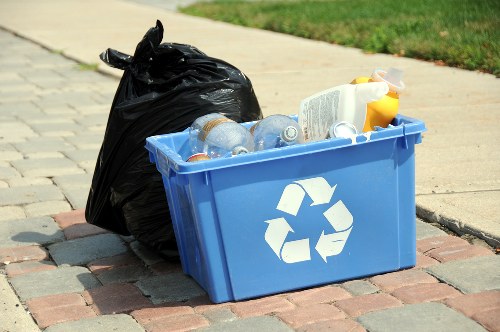 Commitment to continuous improvement underpins everything we do. Our monitoring framework benchmarks progress against the 75% recycling target, tracks carbon savings from low-carbon vans, and records volumes sent to reuse partners. Where possible we favour local processing to keep materials within the regional circular economy and to support jobs in the area.
We regularly review partnerships with transfer stations and redistribution charities to ensure they meet environmental and social value criteria. By combining a local focus with evidence-based targets and investments in low-emission vehicles, Ickenham Skip Hire aims to be a leader in sustainable waste solutions across Hillingdon and adjacent boroughs. Every skip is an opportunity — to recover materials, to give items a second life, and to cut carbon associated with waste management.
Future commitments include expanding electric vehicle use, increasing reuse partnerships, and piloting on-site sorting innovations that can be scaled across our operations. With realistic targets, verified reporting and community-minded partnerships, the sustainable rubbish area managed by Ickenham skip hire will continue to drive measurable environmental benefits and support a more circular local economy.